
Have you ever experienced that nagging, dull ache that lingers between your eyebrows? Or that groggy feeling that makes it difficult to concentrate, as if your thoughts are veiled in a thin mist? Or perhaps that annoying nasal congestion that turns every breath into a conscious effort?As a massage therapist, I frequently encounter clients in my sessions who have been troubled by these issues for a long time. They are often surprised to discover that to relieve the pressure in their head, the healing journey begins with our feet. This article is a complete guide written for you. Let's unveil the mysteries of foot reflexology together and integrate this healing power into your "Happy Healthy Life."
The Secret Map on the Soles of Your Feet: Why Are Your Feet a Mirror of Your Body?
The core concept of Foot Reflexology is to view our feet as a microcosm of the entire body—a precise "holographic map." This means that specific areas on the soles of the feet, which we call "reflex zones," correspond one-to-one with the various organs, glands, and parts of the body.When we apply precise pressure to these reflex zones, it is like operating the body from a remote control panel. This isn't magic; it's based on profound physiological connections. By stimulating these points, we can send signals that influence the function of the corresponding parts of the body, thereby activating the body's innate self-repair capabilities to achieve balance and harmony.
Where Traditional Wisdom Meets Modern Science
The therapeutic effects of foot massage can be understood from two perspectives.In Traditional Chinese Medicine (TCM) theory, life energy, "Qi," flows along "meridians," and when this flow is obstructed, discomfort arises. The purpose of foot massage is to clear these energy blockages and allow Qi and Blood to flow smoothly.From the viewpoint of modern physiology, our feet are an area with a dense distribution of nerve endings. Applying pressure transmits signals through the nervous system to the brain. This not only activates brain function and promotes blood circulation but, more importantly, it activates the parasympathetic nervous system—the body's "rest and digest" mode. This effectively relieves stress, which is a common trigger for headaches and sinus problems.
Understanding Your Inner "Weather Station": Where Are the Sinuses?
To precisely address sinus issues, we first need to understand them. The sinuses are four pairs of air-filled cavities within the skull, and they are very sensitive to the body's condition.The frontal sinuses, located in the forehead, are the main cause of pain between the eyebrows.Pressure in the maxillary sinuses, located beneath the cheekbones, is often mistaken for a toothache.Blockage of the ethmoid sinuses, located between the eyes, causes pain at the bridge of the nose.The sphenoid sinuses, located deep within the skull, can trigger deep headaches.When you have a cold or allergies, the sinus membranes become inflamed and swollen. This prevents mucus from draining and leads to buildup, which in turn causes pressure and pain. Understanding their locations allows our massage to be more intentional and effective.
Precision Location: A Complete Guide to the Sinus Reflex Zones on the Feet
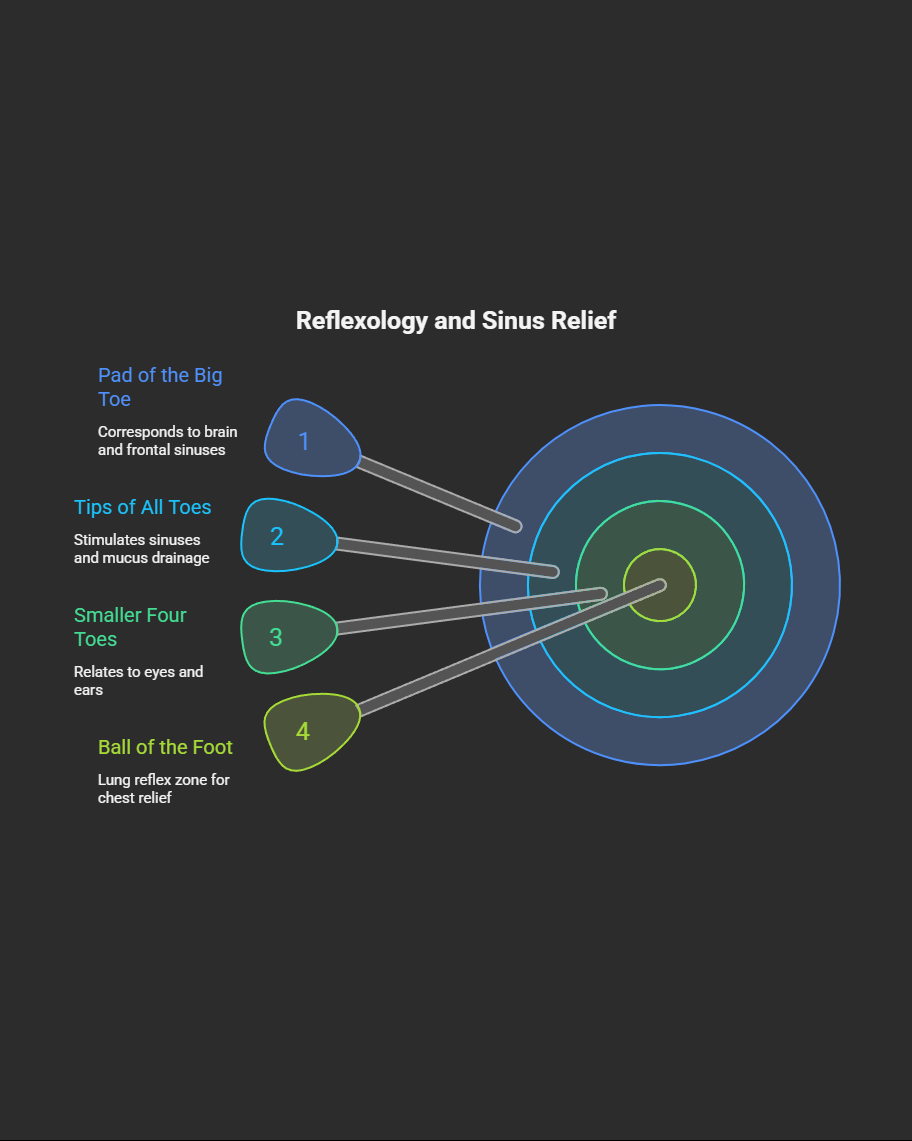
According to the principles of reflexology, the reflex zones for our entire head are concentrated on the ten toes.Among these, the pad of the big toe (the fleshy part on the sole side) is the most crucial; it corresponds to our brain and frontal sinuses. The very tips of all the toes are a powerful area for stimulating the sinuses overall and promoting mucus drainage. The smaller four toes also correspond to the eyes and ears, areas where pressure often arises concurrently with sinus problems.When dealing with sinus issues, simultaneously massaging the ball of the foot (the Lung reflex zone) can also help to relieve any chest tightness or discomfort.
The Healing Touch: Professional-Level Self-Massage Steps
First, please create a quiet and comfortable environment for yourself, using a small amount of lotion or massage oil. After gently rotating your ankles to warm them up, you may begin.Using the classic reflexology "thumb-walking technique," press step-by-step over the entire pad of your big toe, like an inchworm moving along.Next, apply a stationary, deep pressure to the center point of the big toe pad, coordinating with deep breaths. Hold for 30 to 60 seconds.Then, sequentially perform a circular massage on the other toes and gently pinch the tip of each toe with your thumb and index finger.Finally, gently massage the webbed area between the toes on the top of your foot to clear the lymphatic circulation of the head and neck.
Mastering the Essentials: Pressure, Duration, and Your Body's Response
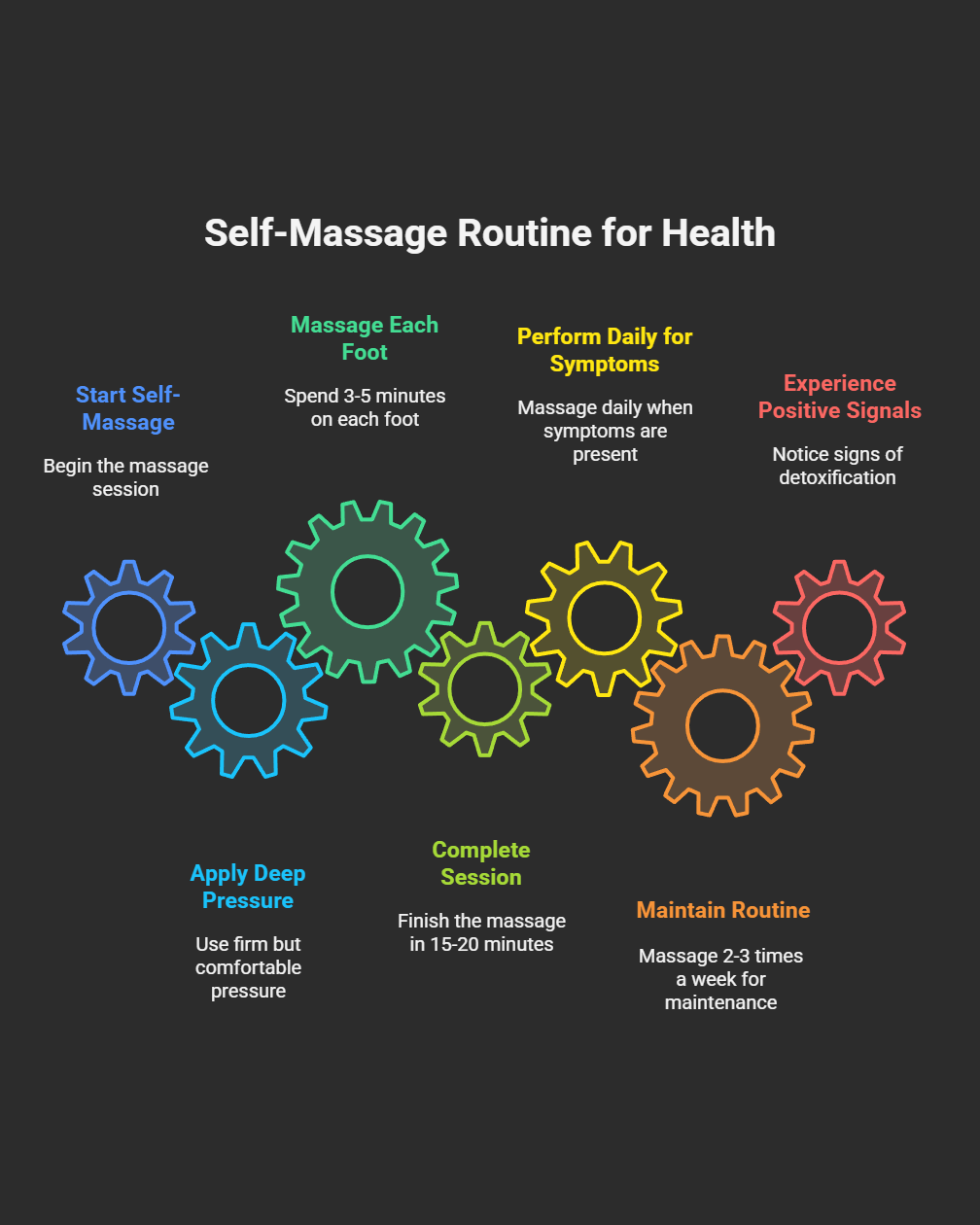
When performing self-massage, the pressure you apply should be "deep" but not "painful"; you should feel a comfortable, sore, and full sensation. The recommended massage time for each foot is 3 to 5 minutes, with the complete session lasting about 15 to 20 minutes.When your symptoms of nasal congestion or headache are obvious, you can perform it once a day.As a general maintenance routine, 2 to 3 times per week is sufficient.After the massage, you may feel an itchy sensation of mucus dripping down the back of your throat, or your nostrils may feel clearer. These are all positive signals that your body is clearing blockages and detoxifying. Please embrace this proof of healing.
Synergy: Enhancing the Effects by Combining with Assisting Acupoints
To achieve the best results, we can combine foot reflexology with acupressure on other key points of the body. You can try pressing:The Yintang point (EX-HN3), located between the eyebrows, which effectively relieves frontal headaches.The Yingxiang points (LI20), on both sides of the wings of the nose, which can quickly relieve nasal congestion.The Hegu point (LI4), located in the webbing on the back of the hand between the thumb and index finger. This is an all-purpose point for issues of the head and face and is excellent for headaches and facial pain.The Fengchi points (GB20), located at the back of the neck below the occipital bone. These can effectively relieve neck tension and are crucial for improving tension headaches, creating a powerful synergistic effect.
A Comprehensive Sinus Wellness Strategy for a "Happy Healthy Life"
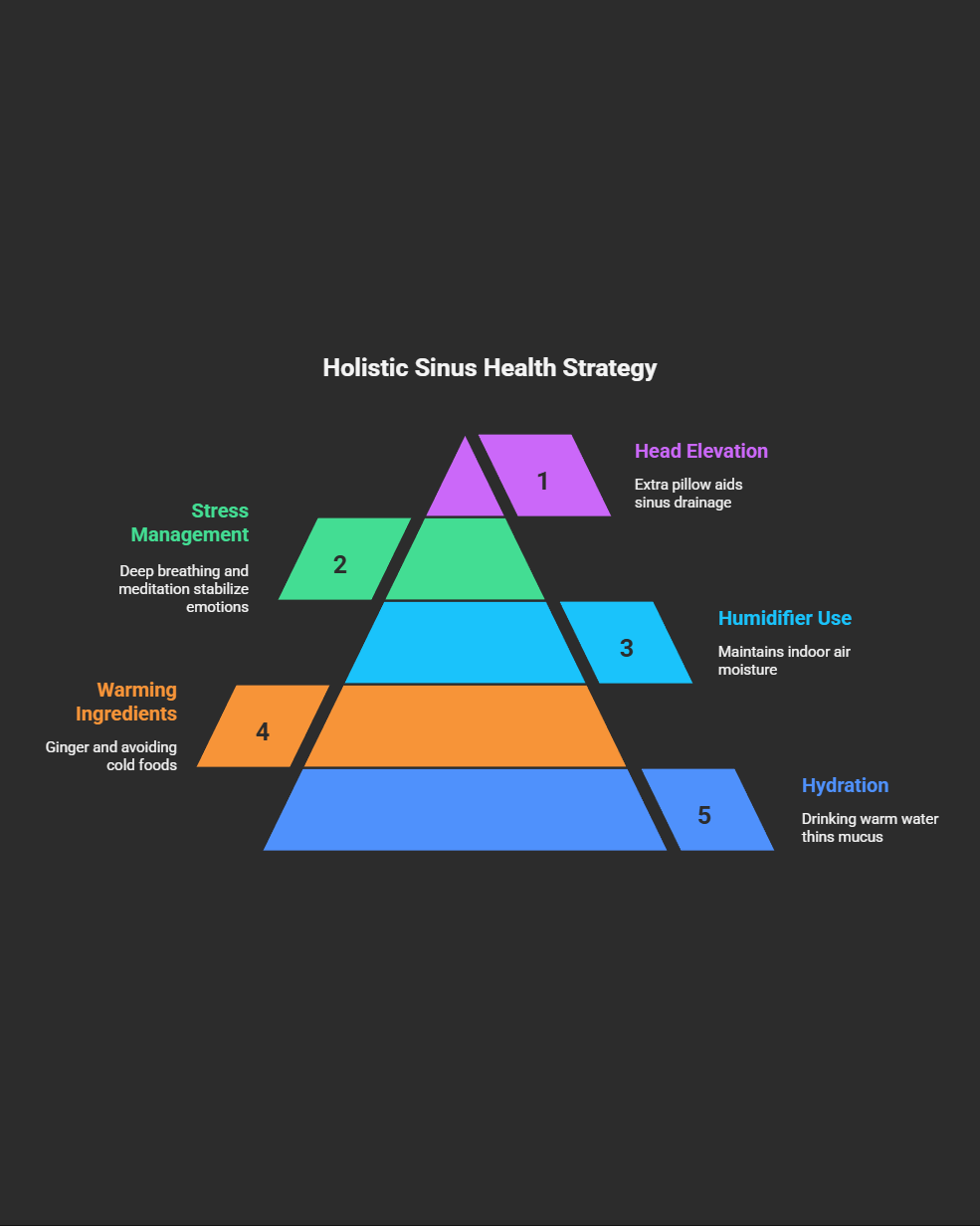
True health requires a holistic strategy that is integrated into your daily life.First, hydration is key. Drinking plenty of warm water helps to thin mucus, making it easier to expel.Second, moderately add warming ingredients like ginger to your diet, and avoid raw, cold, or iced foods and drinks.You can also use a humidifier to maintain moisture in the indoor air and avoid having air conditioning blow directly on your head and neck.Furthermore, long-term stress affects sinus health. Incorporating deep breathing or meditation into your daily routine can help to stabilize your emotions.Finally, when you sleep, use an extra pillow to elevate your head. This utilizes the principle of gravity to help the sinuses drain naturally during the night.
Safety First: Your Guide to Responsible Self-Care
Before enjoying the benefits of foot massage, establishing a correct understanding of safety is crucial. We should position foot massage as a safe, low-risk complementary therapy, not as a substitute for formal medical treatment.Massage should be avoided under certain specific circumstances, such as:During early pregnancyIf you have severe varicose veins on your feetIf there are open wounds or infections on the feetWhen you have a feverIf you suffer from severe heart disease, kidney disease, etc.Please remember, self-massage is suitable for daily health maintenance. If your symptoms are severe, continuously worsening, or are accompanied by red-flag signals such as a high fever, seeking a diagnosis from a qualified medical professional is absolutely necessary.
Conclusion: Taking Health into Your Own Hands (and Feet)
Reviewing our journey of exploration, we have learned that our feet are a mirror of the body, and our toes are the key to comfort and clarity in our head. By learning to listen to your body's signals and applying simple yet powerful techniques like foot reflexology, you are taking an active and profound step toward your own health.This isn't just about relieving temporary discomfort; it is about embracing an active, autonomous "Happy Healthy Life" attitude. May you, starting from today, begin with your own two feet and walk, step by step, towards a more refreshed and vibrant you.


![[Happy Healthy Life] Say Goodbye to Insomnia and Brain Fog! A Veteran Massage Therapist Reveals the Hidden "Detox Switch" in Your Big Toe: A Complete Breakdown of Brain Reflexology Zones](https://happyhealthylife.cv/wp-content/uploads/2026/02/【樂健生活】告別失眠與腦霧!資深按摩師教你「大拇趾」隱藏的排毒開關:大腦足部反射區-540x360.jpg)
![No More "Blue" Days of Misery! Therapist Reveals: 15 Minutes a Day to Clear the "Nasal Reflex Zone" and Kickstart a [Happy Healthy Life] of Free Breathing from Your Soles](https://happyhealthylife.cv/wp-content/uploads/2026/01/不再「藍瘦香菇」!按摩師親授:每天15分鐘按通「鼻部反射區」,從腳底啟動呼吸自由的樂健生活-540x360.webp)