
In my massage therapy clinic, I encounter many clients every day who suffer from lower back pain due to prolonged sitting, their brows deeply furrowed in distress. This always brings to mind the core mission of "Happy Healthy Life": true health originates from the balance of mind, body, and spirit, and the accumulation of daily habits. Many people blindly rely on various lumbar support cushions, yet they overlook the body's most authentic distress signals. To bid a final farewell to aches and pains, we must learn to listen to the "voice" of our spine and gently rediscover a healthy rhythm amidst the frantic pace of work.
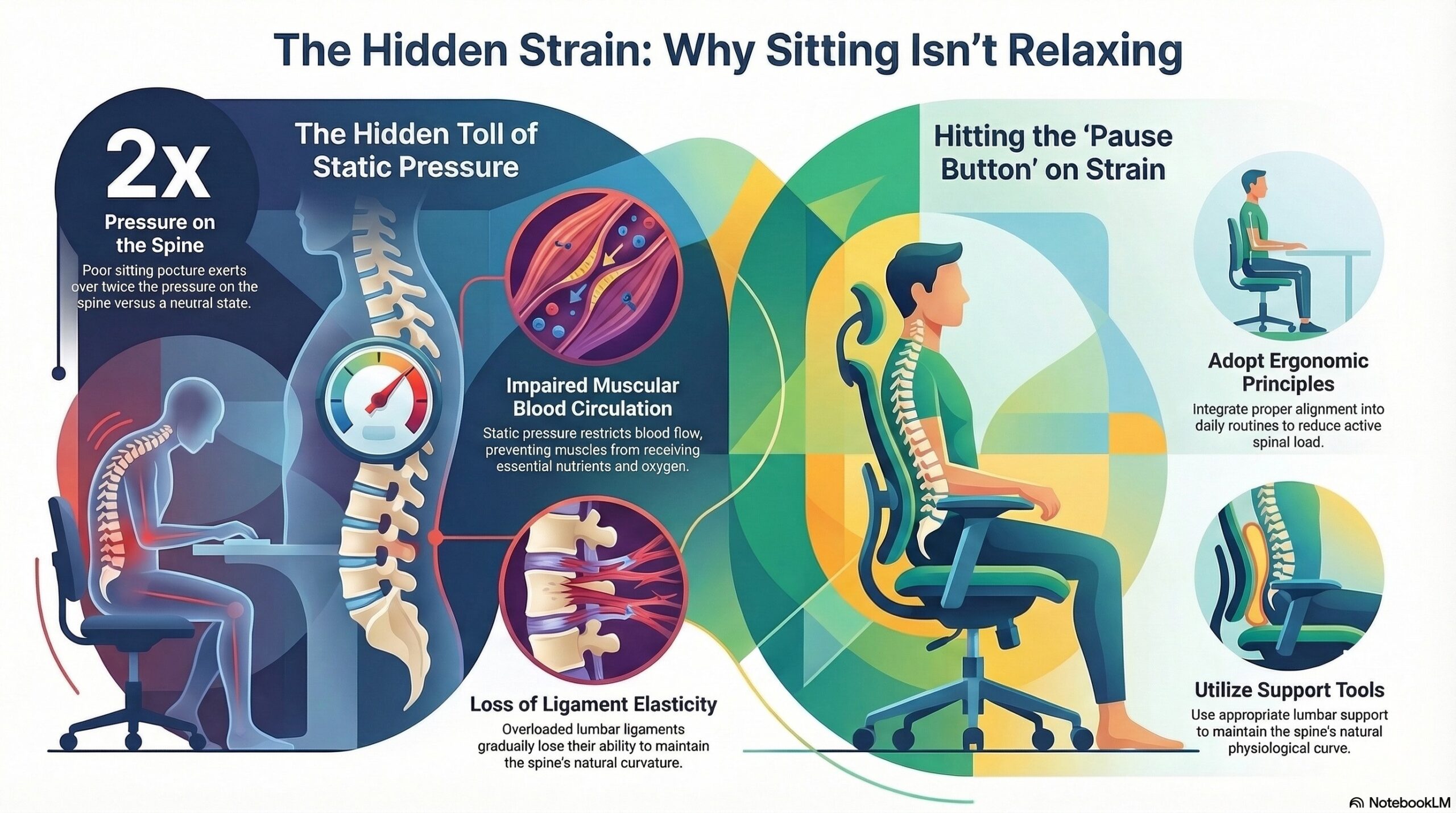
Many mistakenly believe that sitting in a chair constitutes physical relaxation; however, "static pressure" is often a far more insidious threat. Research indicates that poor sitting posture can exert over twice the amount of pressure on the spine compared to a neutral state. Over time, this not only impairs muscular blood circulation but also causes the ligaments responsible for maintaining the lumbar spine’s natural physiological curvature to gradually lose their elasticity. Only by integrating proper ergonomic principles into our daily routines and utilizing appropriate support tools can we effectively hit the "pause button" on the strain placed upon an overworked lumbar spine.
Core Concept: Lumbar Support Cushions and the Golden Triangle of Proper Sitting Posture
To understand the value of a lumbar support cushion, one must first recognize the principles of physical decompression. When sitting for extended periods, an unsupported lower back (lumbar suspension) forces the lumbar spine to endure significant compensatory strain. A high-quality lumbar support cushion precisely fills the void between the lower back and the chair’s backrest, providing stable structural support. This gentle cradling effectively alleviates the burden caused by lack of support, prevents the flattening of the natural lumbar curve, and allows the chronically tense erector spinae muscles and fascia to finally find relief. Consequently, this significantly reduces the incidence of chronic inflammation and deep-seated muscle aches.
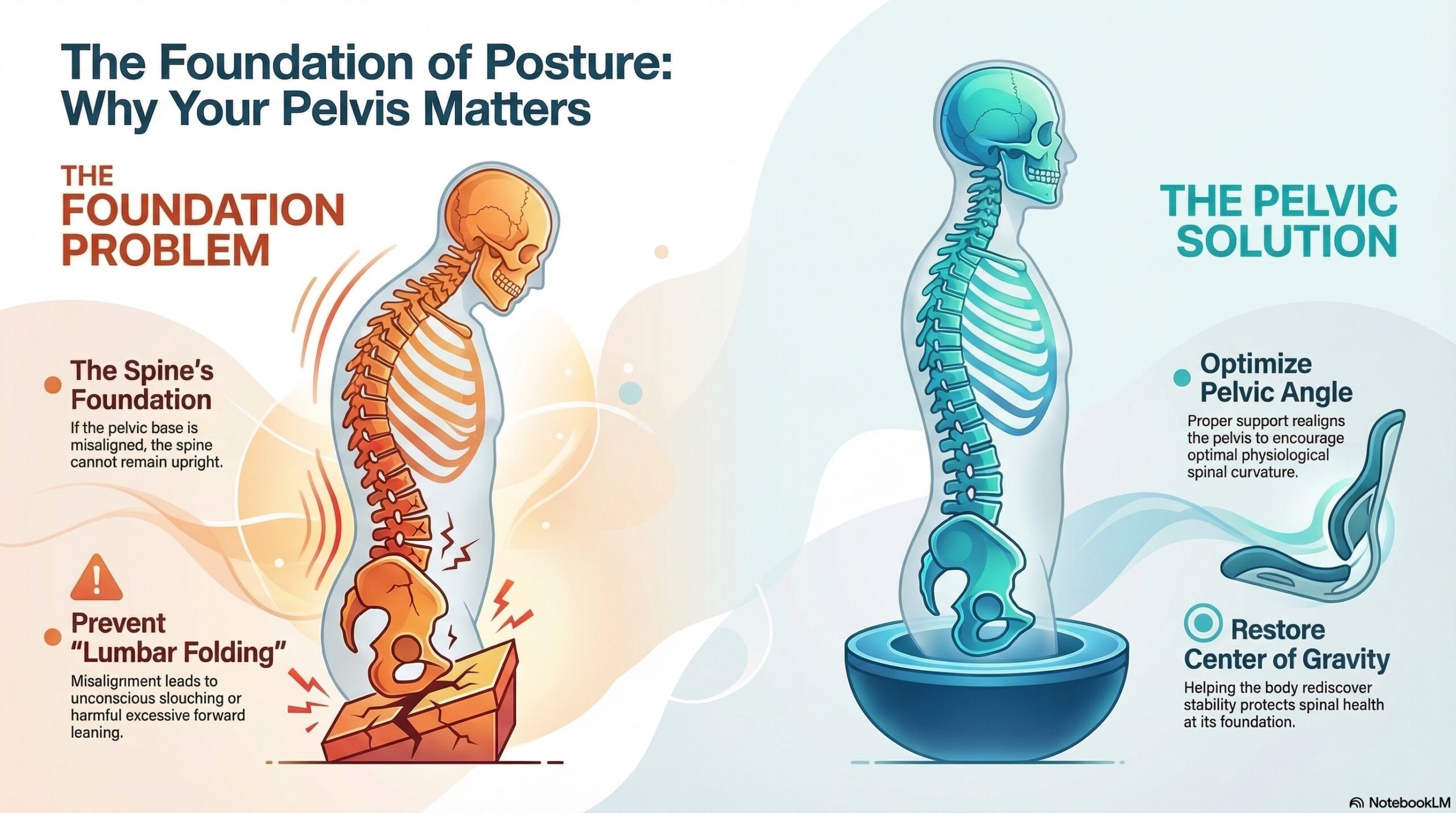
Beyond eliminating postural gaps, optimizing the pelvic structure is the true key to maintaining proper sitting posture. The pelvis acts as the foundation of the spine; if the base is misaligned, the lumbar vertebrae above will inevitably struggle to remain upright. An expertly designed seat cushion can realign the pelvic angle, naturally encouraging the spine to maintain its optimal physiological curvature. This not only effectively prevents us from unconsciously collapsing into a slouched posture but also avoids the "lumbar folding" caused by excessive forward leaning. By helping the body rediscover a stable center of gravity, it protects spinal health at its very foundation.
However, it is vital to understand that the essence of assistive devices lies more in support than in actual treatment; they function more like gentle "posture alerts." The primary role of lumbar support products is to provide comfort and serve as a constant reminder to maintain proper sitting posture. They are like trekking poles—they reduce the burden and aid balance, but the actual power that carries you to the summit still comes from strong core muscles. If one over-relies on these devices for the sake of ease and neglects active exercise, the core muscles will gradually atrophy, causing the body to lose its precious instinct for self-support.
Gently Debunking Myths: The Truth About Proper Sitting Posture and Lumbar Support Cushions
We often mistakenly believe that simply purchasing a premium lumbar support cushion will automatically cure the back pain caused by prolonged sitting. In reality, the core value of these tools lies in structural bridging and passive support; they do not possess any miraculous corrective or therapeutic properties. Relying solely on assistive devices cannot address the root cause of soreness—they are merely the first step in optimizing your environment. To truly achieve the goal of healthy lumbar care, we must cultivate the habit of getting up to move every hour, while actively performing back stretches and core training to "awaken" dormant muscles.
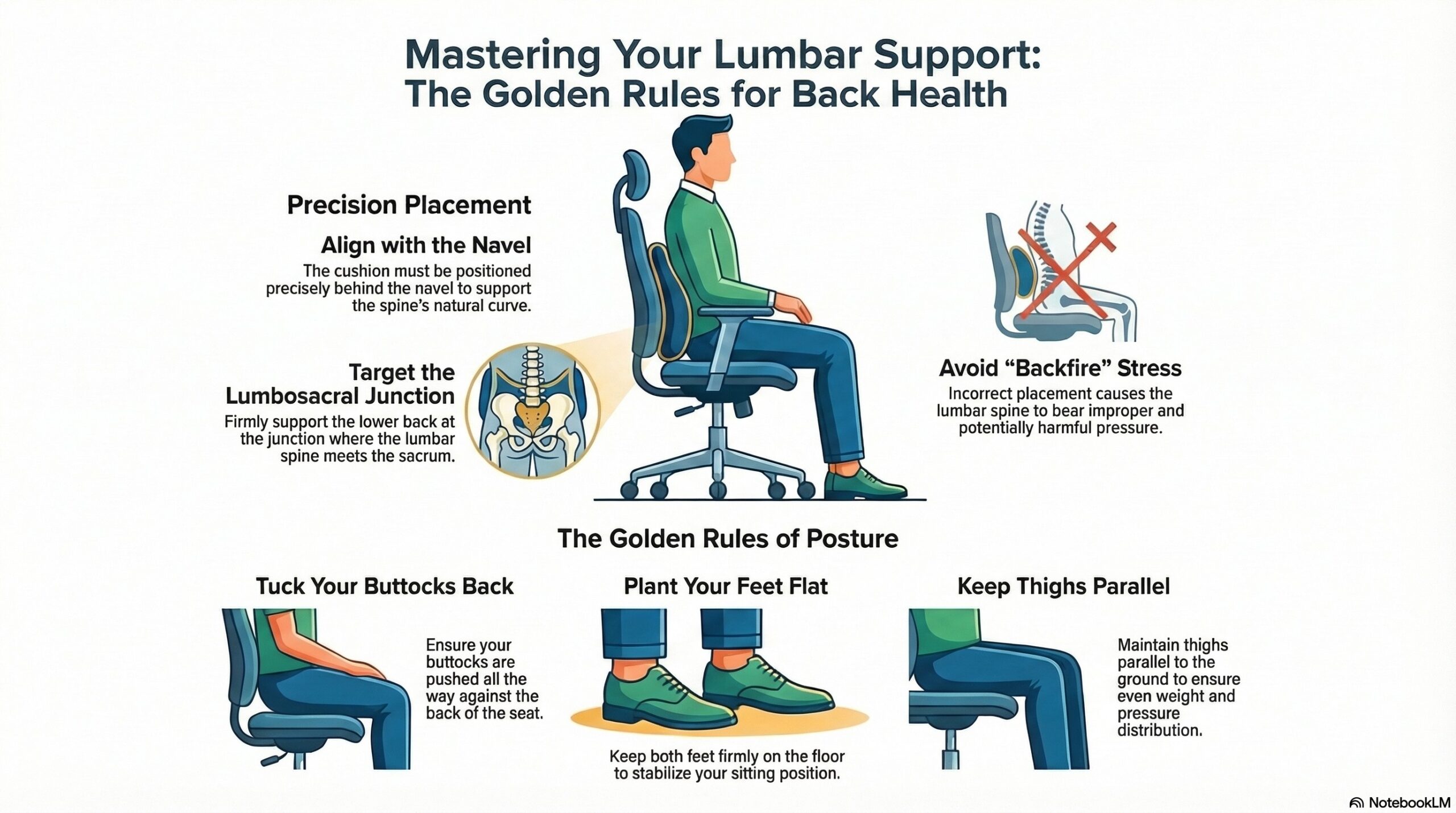
We often mistakenly believe that a lumbar support cushion will be effective as long as it is stuffed behind us in a chair. In reality, incorrect placement can backfire, causing the lumbar spine to bear improper stress. The lumbar support must be positioned precisely behind the navel—or at the lumbosacral junction—to firmly support the natural inward curve of the lower back. When sitting, ensure your buttocks are tucked all the way back against the seat, your feet are planted firmly on the floor, and your thighs remain parallel to the ground. Only by following these "golden rules" can the ergonomic aid effectively distribute pressure as intended.
We often mistakenly assume that a popular model recommended by others will necessarily be the right fit for us. In reality, everyone’s physical build and posture are vastly different; therefore, choosing ergonomic supports should never be a matter of simply chasing a high or low price point. If a backrest or cushion fails to align perfectly with the natural curvature of your spine, it can inadvertently lead to muscle tension and postural compensation in the back. When making a selection, it is essential to prioritize your own height, weight, and specific usage scenario. For instance, breathable gel cushions are ideal for poorly ventilated or humid environments, whereas those seeking a gentle, contoured feel should consider memory foam materials with slow-rebound properties.
Scenario-Based Practice: Daily Exercises to Activate Your Core and Master Proper Sitting Posture
Let’s begin with a micro-breathing stretch right at your desk. When you feel a dull ache in your lower back, pause your work for a moment. Place both feet firmly and flat on the ground, feeling the stability of your heels. Next, gently place your hands on both sides of your ribcage and take a slow, deep breath. Imagine the air filling your abdominal cavity, allowing your ribs to expand outward; as you exhale, slightly contract your lower abdomen, feeling your navel gently move toward your spine. This simple movement effectively awakens the deep core muscles, helping you rediscover the internal strength that supports your lumbar spine.
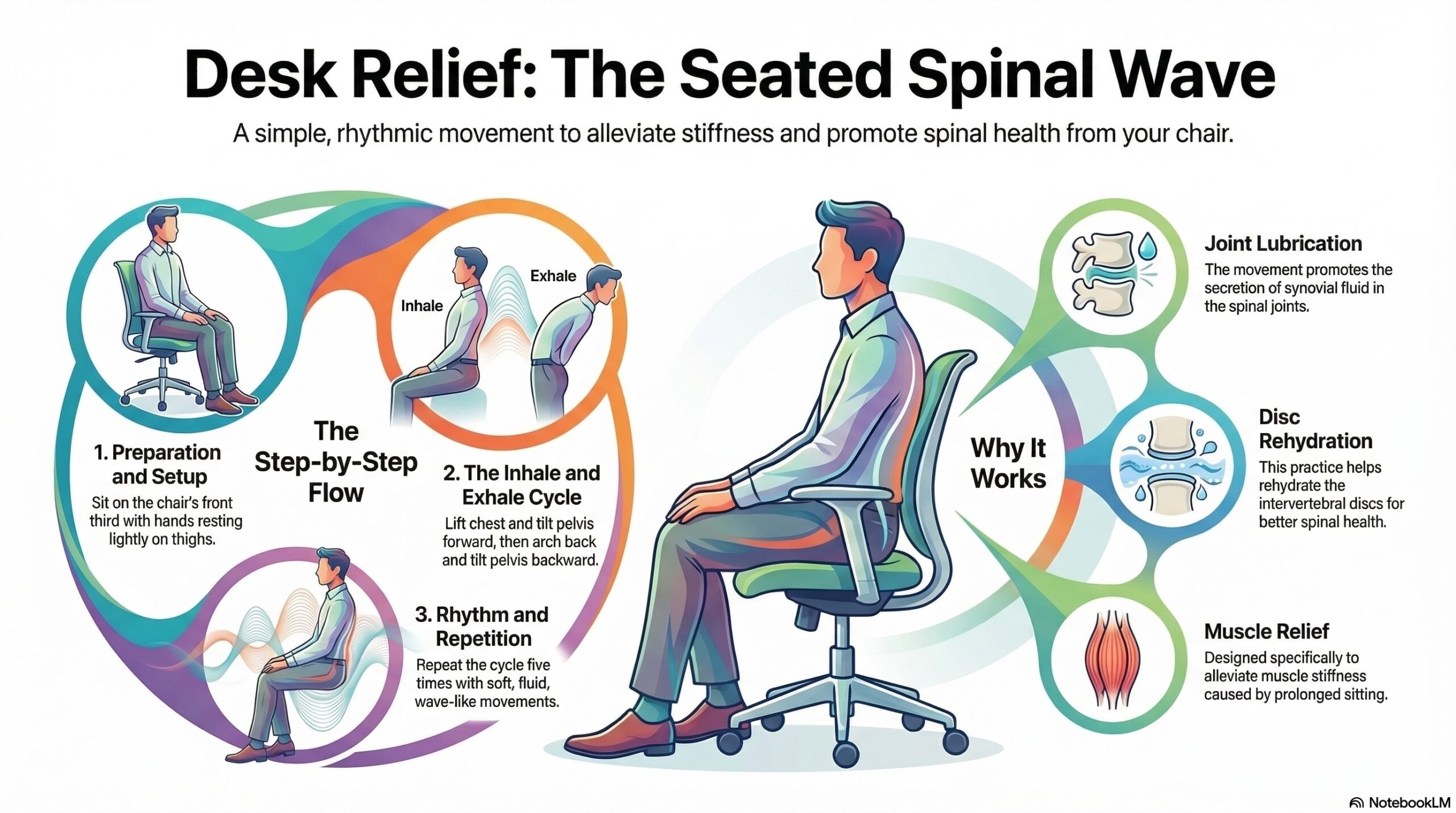
To release the stress of prolonged sitting, it is recommended that you try Seated Spinal Waves. Please sit on the front third of your chair with your hands resting lightly on your thighs.As you inhale, slowly lift your chest upward and allow your pelvis to tilt slightly forward (anterior tilt), feeling a gentle stretch in your abdomen. As you exhale, gently arch your back outward, bringing your gaze toward your navel as your pelvis slowly tilts backward (posterior tilt). Repeat this cycle five times, ensuring the movement is as soft and fluid as waves gently lapping against the shore. This practice promotes the secretion of synovial fluid in the spinal joints, rehydrating the intervertebral discs and alleviating muscle stiffness.
Finally, perform the Soothing Side Waist Twist, which helps relax the obliques and lower back that become chronically tight over time.Begin by maintaining a proper, upright sitting posture.Inhale as you lengthen your spine upward.Exhale and slowly rotate your upper body to the right.Lightly anchor your left hand against the outside of your right knee, and place your right hand on the back of the chair for support.Hold this position for three deep breaths.Feel the muscles of your side waist gradually release tension through this gentle stretch, then repeat the process on the opposite side. This movement is designed to break up fascial adhesions caused by prolonged sitting, allowing fresh blood to circulate back into the fatigued lumbar region and restoring muscle elasticity.
Conclusion & Call to Action: Your Wellness Journey with Happy Healthy Life
Improving lower back pain from prolonged sitting is a gentle journey of re-establishing a dialogue with your body; adopting the correct posture and using lumbar support cushions is only the beginning. At Happy Healthy Life, we firmly believe that small daily changes can awaken the body’s innate self-healing capacity. If you find that back tension is difficult to relieve on your own, or if muscle weakness has begun to impact your quality of life, please do not feel you must endure this alone. We invite you to book an exclusive therapeutic session with Happy Healthy Life online at any time. Allow my warm, professional massage techniques to release your deep-seated fatigue and restore balance to your mind and body.
The true value of health knowledge lies in its selfless sharing and practical application. If today’s column has inspired you to alleviate your aches and pains, or helped you choose the right lumbar support cushion, that brings me the greatest fulfillment. Please share this article on Facebook or Instagram, and tag those friends and family members who often get so caught up at their computers that they forget to take a break. Together, let’s spread the philosophy of balance championed by Happy Healthy Life, and support more hardworking professionals in their journey toward a pain-free and vibrant life!


