
Hello everyone, I am your personal massage therapist. Spring is finally here, with its warm sunshine and the reawakening of all living things. But do you feel as though your body is still stuck in a long hibernation mode?The stiffness you feel when you wake up in the morning, a sense of unexplained fatigue, and that lingering feeling of heaviness—these are all common challenges we often face during the change of seasons. Don't worry, this isn't your fault; it's a normal response as your body aligns with the natural rhythm of nature.
In this article, from my perspective as a professional therapist, I will guide you to a deeper understanding of your body's unique needs during the spring.Together, we will explore why both ancient wellness wisdom and modern physiology coincidentally point to the importance of "gentle stretching." More importantly, I will share how to cleverly combine the two great tools of "exercise" and "massage" to create a personalized spring vitality plan for you. This will help you to thoroughly awaken your slumbering body and greet this beautiful season with the lightest and most graceful feeling.
Why Do We Always Feel Groggy and Stiff in Spring? The Body's Seasonal Language
Are you curious as to why that "sluggish" feeling in the body is particularly noticeable when spring arrives? There are actually profound physiological and energetic reasons behind this.From the perspective of Traditional Chinese Medicine (TCM), spring is the season of "ascension and expansion," when the Yang Qi within our bodies should stretch upwards and outwards, like a tender sprout. This energy is governed by our "Liver," which is responsible for ensuring the smooth and unimpeded flow of Qi and Blood. If the flow of Liver Qi is not smooth, it can cause muscle tightness, joint stiffness, and even affect our emotions, making us feel irritable or depressed.
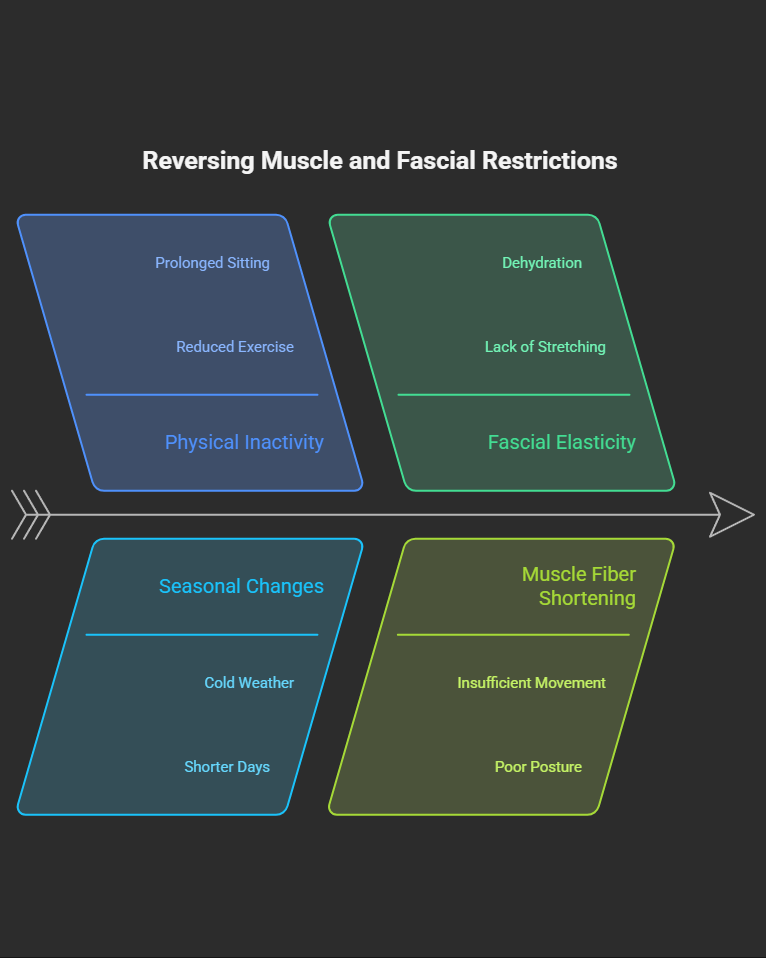
Modern physiology also corroborates this view. After a winter with a relative decrease in physical activity, our muscle fibers naturally shorten, and the "fascia" that envelops our muscles also becomes less elastic. This is the direct reason why you feel as though your "muscles and bones have gone rusty."Fortunately, whether it's what TCM calls "Liver Qi Stagnation" or what Western medicine refers to as "fascial restriction," these conditions are completely reversible. And the key to initiating this reversal process is hidden within intelligent movement and stretching.
Intelligent Stretching: My Three Core Safety Principles
As a therapist, one of the most common questions I get asked is: "How should I stretch safely?" Many people think stretching is just about forcefully pulling on your muscles, but this is actually a misconception.Effective stretching is a gentle dialogue with your body, not a wrestling match. Please remember my three great safety principles; they will make your practice twice as effective with half the effort:
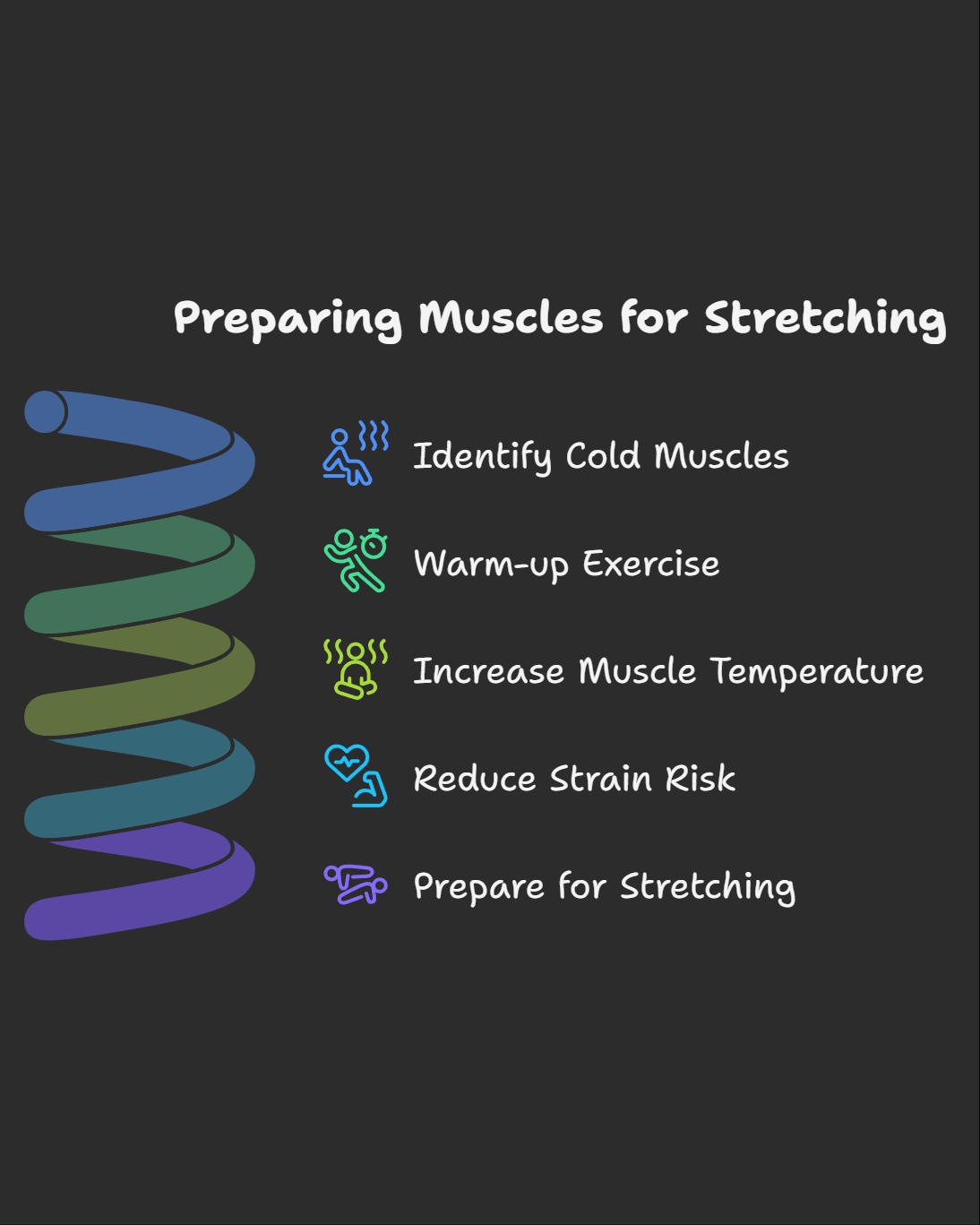
First, "Never stretch cold muscles." Be sure to warm up for 5 to 10 minutes beforehand—for example, with a brisk walk or some jumping jacks—until your body feels slightly warm. This raises the temperature of your muscles, making them more pliable and significantly reducing the risk of a strain. Just like preheating an oven before you cook, this is an indispensable preparation that ensures the subsequent stretch will be safer and more profound.
Second, "Differentiate the timing for dynamic and static stretching." Place dynamic stretching (such as arm circles or leg swings) in your warm-up phase before your workout to awaken the joints and promote lubrication. Static stretching (holding a position without moving) is best suited for the cool-down phase after your workout. At this time, your muscle temperature is at its highest, making it the easiest time to safely lengthen them. This helps to alleviate soreness, develop long-term flexibility, and allow the body to truly relax.
Finally, "Adhere to the 30-second rule and the breathing principle." For static stretching, holding each position for 15 to 30 seconds is the most effective range.While stretching, please focus on long, slow, deep breathing, with a particular emphasis on a long exhalation. Deep breathing activates our parasympathetic nervous system, which is the body's "relaxation mode." This sends a signal throughout the body, helping the muscles to release unnecessary tension and allowing you to achieve a deeper effect within a gentle stretching sensation.
Choice Exercises for Spring: A Concerto of Baduanjin and Yoga
So, what specific exercises should you do? Among the many choices, I particularly recommend Baduanjin and Yoga, as they perfectly align with the spring wellness principle of "gentle ascension and expansion."Baduanjin is hailed as a "thousand-year-old wellness prescription." Its movements are gentle and continuous and can stretch the meridians in all directions. For example, the movement "Drawing the Bow to Shoot the Eagle" is excellent for opening the chest and clearing Liver Qi. Meanwhile, "Raising a Single Hand to Regulate the Spleen and Stomach" gently stretches the sides of the body and activates our digestive system.
Yoga is another excellent choice, with a particular emphasis on "cleansing" and "renewal." A spring yoga practice often includes a large number of "twisting" poses, such as the seated spinal twist.From a physiological perspective, these types of movements gently massage our abdominal organs (including the liver), promoting blood circulation and metabolism, as if giving your internal body a gentle "spring cleaning."Regardless of which practice you choose, the key is the integration of movement with breath, as well as maintaining mindfulness and concentration during your practice.
The Therapist's Secret Weapon: Why Massage is the Perfect Prelude to Stretching
Have you ever had the experience where, no matter how much you stretch, a certain area just won't seem to release, and perhaps even feels tighter the more you pull? This is very likely a case of what I often refer to with the "knotted rope" analogy. When a deep trigger point or a fascial adhesion exists within a muscle, it is like a tight knot tied in the middle of a rope.
As my specialization is translating from Traditional Chinese to English, could you please provide the next section of Chinese text you would like me to translate, or clarify what you would like me to do with this English passage?
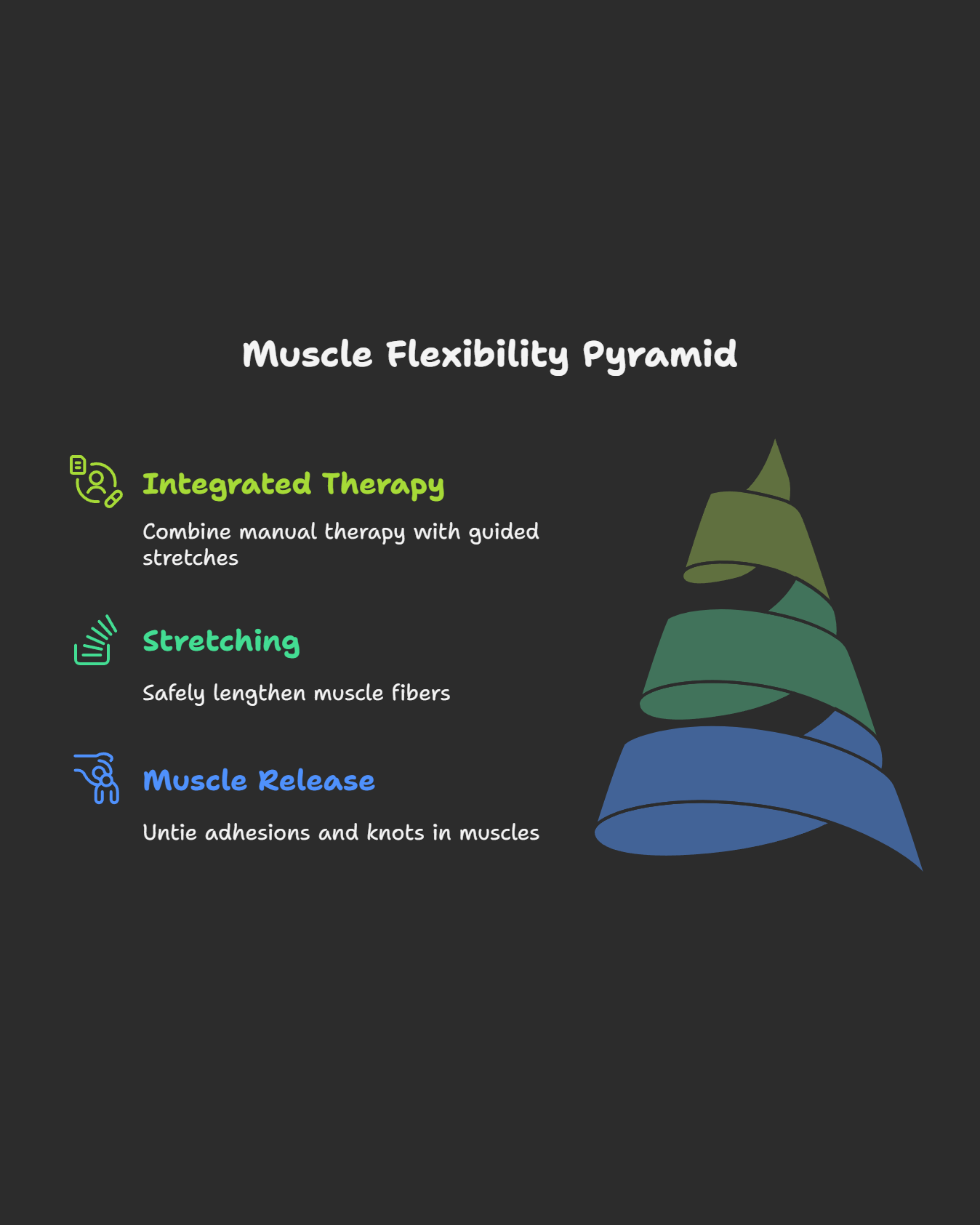
Only after these adhesions and knots have been untied can you then perform a stretch to truly, safely, and effectively lengthen the entire muscle fiber.Therefore, a more effective and scientific sequence is: "Release first, then stretch." This is why in my treatment room, I always combine manual therapy with guiding my clients through specific stretches, because the results of this integrated approach are far greater than any single effort alone.
How to Choose the Right Spring Massage for You?
To complement your spring vitality plan, choosing the right type of massage is crucial.If you simply want to shake off the sluggishness of winter and promote overall circulation, then a "Swedish massage," which uses gentle techniques and focuses on relaxation, would be your ideal choice. It can systematically warm the tissues of the entire body, fully preparing you for physical activity and allowing you to enter a state of complete relaxation.
If you have stubborn "muscle knots" or chronic tender points, such as in your tight shoulders and neck or your lower back, then a "Deep Tissue Massage" will be more targeted. The therapist will use slow, deep pressure to specifically "untie" those "knots" that are restricting your movement.And if you feel a sense of systemic stiffness and wish to improve your overall flexibility, then "Thai Massage," also known as "passive yoga," or "Myofascial Release" will be your best partners. They work directly on the fascial network, teaching your nervous system to accept a whole new range of motion.
Conclusion: Weaving Your Personalized Spring Wellness Tapestry
True spring vitality does not come from a single secret formula, but from an integrated wisdom for living. It invites us to listen to our body's voice and to skillfully weave together ancient wellness philosophies, modern scientific principles, gentle personal practices, and professional manual therapy.It begins with understanding the body's seasonal needs, progresses to practicing safe stretching principles, and then to choosing practices like Baduanjin or Yoga to gently awaken your energy.
When you hit a plateau, please remember that a professional massage therapist is like a guide on your health journey, one who can use their hands to help you clear the obstacles from your path.If you are ready to say goodbye to the heaviness of winter and welcome this spring with a feeling full of energy, you are welcome to book an assessment and a massage treatment. Let's work together to find the "knots" in your body and tailor a spring vitality plan just for you.

![[Happy Healthy Life Column] A Massage Therapist's Guide to Proper Heat Therapy for Deep Tissue Relief](https://happyhealthylife.cv/wp-content/uploads/2026/03/樂健生活專欄:推拿師教你正確溫熱敷,達到深層肌肉舒緩-540x360.jpg)
![[Happy Healthy Life] Unlocking Your Body’s Self-Healing Power: A Professional Massage Therapist’s Guide to Ending Chronic Fatigue Through Gua Sha and Fascial Release](https://happyhealthylife.cv/wp-content/uploads/2026/02/樂健生活】解鎖身體自癒力:專業按摩師帶你以刮痧與筋膜放鬆告別慢性疲勞抽象藝術圖像-540x360.jpg)
